29 de agosto de 2010

Exclusive Interview with Billy Anderson, producer & engine-ear


Billy Anderson, ese tatuado de rastas pelirrojas que grabó y produjo discos para algunas de las mejores bandas de los 90's y 00's, ayudando a crear a su vez algunos de los mejores discos de dichas bandas (Disco Volante, Jerusalem, Through Silver in Blood, Sore, Dopesick son algunos de ellos). Un tipo que hoy en día es un símbolo y modelo a seguir por cualquiera que quiera hacer música pesada y moderna que se precie como tal. Ese que ha recorrido el mundo y vivido en lugares impensados (incluyendo nuestro propio país). Ese pelilargo que toca en Blessing the Hogs y Men of Porn...
Si no lo conocés sería mejor sacar tu cabeza del agujero en el piso en el que está y pegarle un tiro para terminar con tu agonía.


Zann: I look at your work as a producer and it is hard to know where to begin. Almost all the coolest bands around the globe and the greatest labels from the bay area are part of your catalog! So let me start from somewhere. What do you think is the most distinctive aspect about your productions?

Billy Anderson: Hmmm, that's a tough one. I have always tried to capture the real, live essence of the band in the studio. Sometimes I succeed, others not. I also try to inspire epic performances by making the band as relaxed and motivated as possible. When a band forgets about being in the studio and all the technical stuff, they will play more naturally and the music will speak THROUGH them as opposed to being "forced" or "contrived"... I can certainly hear these things in a recording and I assume that others can at least PERCEIVE them if not hear them as well. If I succeed at doing any of this, then maybe that's what makes recordings I do "distinctive"...


Zann: Do you think that the job producers do are often overlooked by the public?

B.A.: Sometimes. People generally don't look at the credits or care how the record was made. The average person that listens to music doesn't really understand how albums are made and don't understand what producers even do. So yes, it does get overlooked, at least by the general public. As far as musicians go, producing is sort of a catch-22 situation. When the album is awesome and everyone likes it, even musicians tend toward crediting the band with recording a great album. When the album isn't well-received or liked-then it's the producer's fault. A no-win situation. This only happens sometimes, but it sucks when it does happen. I would say in general, I have been very lucky with being noticed and credited along with the band as a producer.


Zann: It is very common here in Argentina that musicians and producers don’t get paid until they become more or less well known. What was your experience when you started playing and recording in terms of economy?

B.A.: Producers and musicians get paid there? hahaha! I have actually been very fortunate--I have been able to make a living as a producer for almost 20 years. I haven't bought a mansion or a world-class studio; I'm not driving a Frerrari or anything. Times can be tough; it's feast or famine sometimes. But I feel lucky to be able to do this and (usually) make enough to survive. Sometimes I even have some extra spending money. ;) As a musician, things are tougher. It’s a lot harder to make enough money to live as a musician.


Billy Anderson, productor y máquina-oído


Zann: You’ve been living around the globe in the last few years, Argentina and I heard also moved or were planning to move to Scandinavia. Can you tell me your impression of living outside the US?

B.A.: It Makes me appreciate what it's like to live in the US. It also makes me feel like a spoiled, privileged creature of American convenience. The US is great; there are so many things that make it an amazing place to live. But life in, say, Argentina - can be tough for some people. Living there made me value and realize how easy things are here. In Scandinavia, the way of living is so simple and efficient. They don't have gigantic refrigerators and cars and people aren't fat and lazy. It’s well planned, designed and sometimes I feel like the "ugly American" when I am there. But all in all-I guess you don't really know what you have until you're away from it.


Billy consagrando a los cerdos


Zann: Of the many records you’ve produced and engineered, there are three that I always wanted to ask about. I am sure everybody has already asked millions of time this but, I am sorry, I am also a fan and I can’t waste this opportunity:

Zann: How did you manage to translate to sound the immensity and intensity of Neurosis music in "Through Silver in Blood"?

B.A.: It translated itself. We were just there to be a conductor for the music. It moved through the band and me onto tape and into your ears. That’s how I feel about it. It is an amazingly spirited recording. There were some technical things we did to achieve some of the unique sounds-we recorded in a giant brick room and used a lot of room micas for ambience, even got a huge PA and ran a lot of things back into the room. But I truly feel that the songs on that album were guided at the time by a larger hand that the humans that were involved in making it...


Zann: I talked to Matt Pike once about "Jerusalem" and he told me vaguely about the recording techniques in that album and I always wanted to know some more details about it. For example: How did you record continuously for more than an hour when tapes cannot last for that long? Matt also talked about strange locations for mics for the recording. Can you elaborate a bit on that?

B.A.: We didn't record continuously. The tapes and machine I used allowed for 17 minutes of recording at a time. So we would record a reel till it was full, then out a new reel on, start the band playing from the part before where they had ended the last reel, and keep playing. It was tricky, because within each 17 minute reel, there would be mistakes, stopping, razor edits and punch-ins. But even after the reels were each full and fixed and edited and sliced apart, it still had to be recorded-AND MIXED- in 17-minute chunks. The assembly wasn't done until AFTER the final mix. That's the only time the album entered the digital realm at all-was to assemble the mixed pieces into one cohesive album. And even after that, it was edited two or three times. We cut out about 10 minutes for one version, and as a semi-joke to the label, I assembled a 5-minute "radio edit"... haha


Zann: What was your participation in Swan’s "Soundtracks for the Blind"?

B.A.: The Swans were on tour and were going to be stopping in San Francisco for a few days. Their management, Rave Booking, was based there. They decided they wanted to record with the current lineup-a couple of which were from SF. I was friends with and had worked with Rave a lot-Neurosis, 7 Year Bitch, etc--and Kevin at Rave called me and asked if I would be into doing some studio stuff with the Swans for a few days while they were in town. I was like "Hell yeah!! I’ve loved them since I was a kid" zoo... We did I think 4 or 5 days at Coast Recorders in San Francisco. There were some songs that were written already, a couple of noise-scapes and some jamming. Michael eventually took the recordings we did together and assembled, sliced and cut them into pieces that ended up on at least two albums...


Zann: Are Buzzov-En and Eyehategod so dangerous and chaotic as the legend suggests?

B.A.: More. Not so much "dangerous" except to themselves. haha. All those guys are really awesome dudes, but a couple who shall remain nameless and obvious, went through some tough times and it manifested itself as violence, fighting, self-destructive behavior, etc etc at certain times. We all had issues back then. Some of us are lucky to be alive and the ones who are no longer with us lived full and amazing lives...


Zann: Do you have any interesting story to tell from working with those guys?

B.A.: Too many. Must take a vow of semi-silence to protect the innocent and unaware. Court cases are still pending... hahaha...


Billy y los hombres del porno (con Tim Moss y Dale Crover)


Zann: Which records from the ones you worked on are you particularly proud of?

B.A.: At the same time I am proud of all of them and the ones that haven't been made yet. Of course there are a few standouts-the ones that took the most time and energy, brain-crippling hours and pressure can make you proud to survive some albums. I am also proud of the ones that were completely effortless and flowed on their own without struggle. Mostly, I am proud that I get to work with my favorite bands and people--for 20+ years and still going strong.

Zann: Thanks a lot for taking the time to answer, this is as close as having the pleasure to meet you I will probably ever get, so I am utterly satisfied.


Entrevista exclusiva cojn Billy Anderson, productor y máquina-oido

Zann: Vi tu trabajo como productor y es dificil saber por donde empezar. Casi todas las bandas mas cool del mundo y los sellos más grandes del area de la bahía son parte de tu catálogo! Así que dejame empezar por algún lugar. ¿Cuál creÉs que es el aspecto que más te distingue en tus producciones?

Billy Anderson: Hmmm, es una pregunta difícil. Siempre trata de capturar la esencia viva y real de la banda en un estudio. A veces tuve éxito y otras no. También trato de inspirar performances epicas haciendo que la banda este lo más relajada y motivada posible. Cuando una banda se olvida de que está en un estudio y de todas las cosas técnicas, van a tocar naturalmente y la música va a hablar A TRAVÉS de ellos, contrariamente lo que pasa cuando son "forzados" o es algo "artificial"... Ciertamente puedo escuchar estas cosas en una grabación y asumo que otros pueden al menos PERCIBIRLAS al menos si no pueden escucharlas tan bien. Si tengo éxito haciendo estas cosas, entonces probablemente sea lo que haga mis discos más "distintivos"...

Zann: Pensas que el trabajo que hacen los productores es pasado por alto por el público general?

B.A.: A veces. La gente generalmente no mira a los créditos ni se preocupa sobre como el disco fue hecho. La persona promedio que escucha música no entiende realmente como son hechos los discos y no entiende siquiera lo que hacen los productores. Así que la respuestas es sí, la producción es pasada por alto, al menos por el público general. A medida que los musicos graban, la producción se vuelve una especie de situación "Catch-22" (N. del Ed: Una novela sobre un piloto que  intenta pasarse por loco para escapar de la guerra, y la jugada sale mal porque los locos son destinados a los bombarderos. En sí quiere decir que es una situación donde no hay salida). Cuando el disco esta buenísimo y a todo el mundo le gusta, los músicos tienden a quedarse con los créditos por haber grabado un gran disco. Cuando el disco no es bien recibido o no gusta entonces la culpa es del productor. Es una situación donde no se gana nunca. Esto pasa a veces, pero apesta cuando sucede. Diría que en general fui muy afortunado siendo nombrado junto a la banda en los créditos como productor.

Zann: Es muy común aquí en Argentina que a los músicos y productores no se les pague hasta que se vuelvan más o menos conocidos. ¿Cuál fue tu experiencia cuando empezaste a grabar y a tocar en términos económicos?

B.A.: ¿Les pagan a los productores y músicos ahí? Hahaha! (N. del Ed: la tiene clara). Realmente fui muy afortunado. Pude vivir como productor al menos por 20 años. No compré una mansion o un estudio de última generación; tampoco estoy manejando una Ferrari o nada. Los tiempos pueden ser duros, a veces son de abundancia o de escasez. Pero me siento afortunado de hacer esto y (por lo general) hacer lo suficiente para sobrevivir. A veces me queda una plata extra para gastar ;) Como músico, las cosas son más duras. Es mucho más difícil hacer suficiente plata para vivir como músico.

Zann: Estuviste viviendo por el mundo estos años, Argentina y también escuche que te mudaste o planeabas mudarte a Escandinavia. ¿Podrías contarme que te pareció vivir afuera de los Estados Unidos?

B.A.: Me hace apreciar como es vivir en los Estados Unidos. También me hace sentir como una criatura mimada y privilegiada de la comodidad americana. Los Estados Unidos estan buenos, hay muchas cosas que los hacen un lugar alucinante donde vivir. Pero la vida en por ejemplo, Argentina, puede ser dura para algunas personas. Vivir allá me me hizo valorar y darme cuenta que fáciles son las cosas aquí. En Escandinavia en cambio, la manera de vivir es muy simple y eficiente. No tienen refrigeradores gigantes y autos gigantes y la gente no es gorda y vaga. Esta todo bien planeado y diseñado y a veces me siento como el "feo americano" cuando estoy allí. Por sobre todo nunca te das cuenta de lo que tenés hasta que estas lejos de allí.


Jerusalem de Sleep, disco que sería reeditado luego de la separación de la banda bajo el nombre de Dopesmoker


Zann: De los muchos discos que  grabaste y masterizaste hay 3 de los cuales siempre quise preguntar. Estoy seguro que todos te preguntaron esto un millon de veces así que disculpame, pero también soy un fan y no puedo desperdiciar esta oportunidad.
Zann: ¿Como hiciste para trasladar al sonido la inmensidad e intensidad de la música de Neurosis en "Through Silver in Blood"?

B.A.: Se traslado por si misma. Estabamos allí para ser conductores de la música. Se movió a través de la banda y de mi hacia la grabación y hasta adentro de nuestros oídos. Así es como me sentí sobre eso. Fue una grabación increíblemente espiritual. Hubo algunas cosas técnicas que hicismo para alcanzar algunos de los sonidos únicos. Grabamos en una sala gigante de ladrillo y usamos un monton de micrófonos en la sala para capturar el ambiente, trajimos un pre amplificador gigante y probamos un montón de cosas dentro de la sala. Pero verdaderamente creo que las canciones de ese disco eran guiadas en esa época por una mano más grande que la de los humanos que estaban involucrados haciendolas...
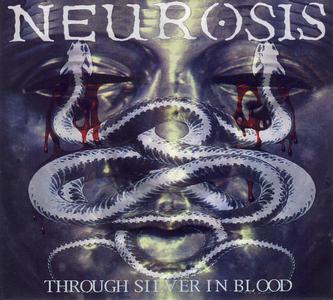

Through Silver in Blood de Neurosis


Zann: Hablé con Matt Pike una vez sobre "Jerusalem" y me dijo poco sobre las técnicas de grabación de ese disco. Siempre quise saber más detalles sobre ello. Por ejemplo: ¿Cómo grabaron continuamente por más de una hora cuando los tapes no pueden durar tanto? Matt también contó sobre lugares extraños para los micrófonos en esa grabación. ¿Podrías contarme un poco más sobre eso?

B.A.: No grabamos continuamente. Los tapes y la máquina nos permitían solo 17 minutos de grabación. Así que grabamos hasta que la cinta estuviera llena y después pasabamos a otra cinta, la banda empezaba a tocar por la parte donde había quedado la última cinta, ellos seguían tocando. Fue truculento, porque dentro de cada 17 minutos de cinta había errores, se paraba, había que cortar la cinta para editar y pegar otras partes. Pero incluso después de que las cintas  estaban llenas, arregladas, editadas y recortadas, todavía tenía que ser grabado Y MEZCLADO en tramos de 17 minutos. El armado no se terminó hasta DESPUÉS de la mezcla final. Esa fue la única vez que el disco entró en el reino digital, para armar las piezas mezcladas en un disco cohesivo. E incluso después de eso fue editado dos o tres veces más. Cortamos 10 minutos para una version y como una semi broma para el sello armamos un "radio edit" de 5 minutos... Haha

Zann: Cuál fue tu participación en "Soundtracks for the Blind" de Swans?

B.A.: Los Swans estaban de gira e iban a parar en San Francisco por algunos días. Su Management, Rave Booking tenía su sede allí. Decidieron que querían hacer un disco con el line up actual, un par de ellos eran de San Francisco. Eramos amigos y había trabajado con Rave un montón: Neurosis, 7 Year Bitch, etc—y Kevin y Rave me llamaron y me preguntaron si quería hacer algunas cosas de estudio con los Swans por algunos días mientras estuvieran en la ciudad. Estaba algo así como diciendo "Vamos carajo!" Los amaba desde que era un niño... Hicimos creo que 4 o 5 días en Coast Recorders en San Francisco. Había algunas canciones que ya estaban escritas, un par de ruidos ambientales y algo de zapadas. Michael (Gira) tomó las grabaciones que hicimos juntos y las armó, dividió y cortó en piezas que terminaron en al menos dos discos.

Zann: ¿Son Buzzov-en y Eyehategod tan peligrosos y caóticos como las leyendas sugieren?

B.A.: Más aún. No son tan "peligrosos" excepto para si mismos haha. Todos esos chabones eran tipos realmente copados, pero un par de los que no voy a dar el nombre por lo obvio, se ponían duros a veces y se manifestaban con un comportamiento violento, peleador, auto destructivo, etc. etc. en algunas ocasiones. Todos teníamos problemas en ese entonces. Algunos de nosotros tuvimos la suerte de estar vivos y aquellos que no están más con nosotros vivieron vidas plenas y alucinantes...

Zann: ¿Tenés alguna historia interesante para contarnos sobre lo que fue trabajar con estos tipos?
B.A.: Demasiadas. Tengo que hacer un voto de semi-silencio para proteger a los inocentes e ignorantes. Todavía hay casos en la corte pendientes... hahaha...


La banda REALMENTE mas peligrosa del mundo


Zann: ¿Con cuál de los discos en los que trabajaste estas particularmente orgulloso?
B.A.: Estoy orgulloso al mismo tiempo de los que hice y de los que no he hecho. Por supuesto que hay unos pocos sobresalientes –aquellos que tomo mayor tiempo, energía, horas de agotamiento cerebral y presión, para poder estar orgulloso de sobrevivir a esos discos. También estoy orgulloso de aquellos que salieron sin esfuerzo y fluyeron por si mismos sin luchar. Es más, estoy orgulloso de que trabajo con mis bandas y mi gente favorita por más de 20 años, y me sigo fortaleciendo.

Zann:: Muchas gracias por tomarte el tiempo para responder, esto es casi tan cercano a tener el placer de conocerte así que estoy extremadamente satisfecho.

For more information abut Billy check out his website and his amazing discography:
www.billyanderson.net
www.billyanderson.net/disco.html
www.myspace.com/engine_ear
www.facebook.com/BillyAndersonProducer

15 de agosto de 2010

Life is Money


Life nació como una vía para ejercitar nuestra pasión por el trabajo de Michael Gira, Justin Broadrick, Genesis P-Orridge, Steven Stapleton, William Bennett, Brian Williams, JG Thirlwell... esto es la música hermosa, con ritmos pegadizos, fácil de escuchar y muy llevadera. Y para conmemorar el estreno en todo el país del documental Desobediencia Debida, presentamos la banda sonora de dicho largometraje en una nueva edición de Zann.


En este disco encontrará la música inspirada por y compuesta para dicho documental, en esta primera edición de lo que esperemos sea una larga y fructífera colaboración.


Para descargar Due Disobedience de Life, hacer click aquí
To download Due Disobedience by Life, click here

10 de agosto de 2010

Alteración Mental


Damos la bienvenida a Alien, nuestro amigo cordobés que estará presentando sus podcasts desde el más acá (pueden chequear su más que interesante sitio web Alien Industries en la sección de links), con una irregular regularidad que dependerá del clima, la alineación del sol con el planeta Cygnus-X y de que momento en la centuria estemos transcurriendo.
Para que lo disfruten, a la izquierda de la pantalla les dejamos su último episodio de Alteración Mental (el quinto en lo que va desde el comienzo de la serie), podcast que se irá actualizando a medida que surjan nuevos episodios. Disfrutadlo.

3 de agosto de 2010

Interview with Robert Hecker from Redd Kross


Hace un tiempo que no recurríamos a la costumbre de las entrevistas, y la grabación del disco de Holly Stoker nos trajo esta linda idea a la cabeza: Redd Kross. Muchas charlas con Juan y Fernando sobre estas personas extrañas con caras de niños y llamativos vestuarios condujeron a algunas preguntas muy relevantes sobre el significado de la vida: ¿Cómo es que componen esas canciones tan gancheras cantando sobre Linda Blair, los cereales y el bubble-gum? ¿Cómo es que llegaron a ser un banda de culto en los 90´s mezclando Kiss, Cheap Trick, los Rolling Stones o The Shangri-Las con Black Flag y Circle Jerks, vistiéndose como si fueran la banda soporte de Ziggy Ztardust & the Spiders from Mars? ¿Cómo es que nunca pudieron salir de ese status de banda de culto? ¿Por qué tardan tanto en sacar un disco? ¡¡Aarrghh!!

Justo antes de que nos explote la cabeza y nos agarremos de los pelos, se me ocurrió escribirles y preguntarles directamente, de última mucho no se pierde. Con absolutamente ninguna expectativa envié mi humilde mensaje y oh sorpresa, nuestras entrepiernas se humedecieron cuando Robert Hecker (guitarrista de Redd Kross profesor de física) nos respondió.

Lo que podemos concluir de esta experiencia: Nunca lo sabremos.


Zann: Redd Kross fans here in Argentina have some expectations for the new record, how is the process coming along?

Robert: The new record has essentially been at a stand still for two years. We recorded half of the album, we got distracted by shows and life, then Steve had his first child, and we took another of our infamous hiatuses. I personally would like to just release what we have as an e.p. There are some beautiful moments on it.


Zann: What are the pros and cons of working in a family business?

Robert: These days it is fine. Back in the day it would be very disruptive and destructive, as the bros would literally come to fisticuffs. That was very irritating, and a tremendous waste of time, although it was sometimes humorous, depending upon one’s mood or disposition.


Zann: Several TV shows from the 60´s, 70´s and 80´s inspired the music and aesthetics of Redd Kross. What stuff on TV inspires you today?

Robert: I have not watched broadcast television for ten years. I just watch DVDs with my family. My favorite program is Teletubbies.


Zann: You arrived to Redd Kross when the band was on the verge of a breakthrough. What were your expectations of playing with the McDonald brothers?

Robert: I was already acquainted with Jeff and Steve through Janet Housden, who was playing drums in the band during the Born Innocent era; I went to school with her younger brother. I saw the band many times, as early as 1981. I joined Redd Kross in 1984 shortly before Teen Babes From Monsanto was released. We were signed to Enigma Records, but we were pretty much still slogging in clubs. My expectations were just to have a lot of fun playing with a couple of guys that I really liked and related to, and we were all really close friends at that time, and the excitement was just beautiful. We played a few big shows opening for other bands, but I always felt that our breakthrough gig was our New York City debut at Danceteria in 1985. Our first U.S. national tour was basically built around this one show, and it was a phenomenal gig.


Zann: Your incorporation to the band coincided with a series of legal problems with the record label that must have affected the dynamics of the group. What is your recollection of these first years with Redd Kross?

Robert: We experienced a number of changes... drummers, managers, and labels. The band dynamic was really only altered by the drummers. They were all so good. Dave Peterson, who played drums on Teen Babes From Monsanto, is a total Mitch Mitchell type drummer; he pushed it hard, so it all felt more frenetic with him behind the kit. Tripp Holland was kind of an Eric Carr like drummer, I suppose. He played loping double kick on every song, even the pop stuff. That was a strange phase of the band, everything was going so metal... it was probably the least ‘us’ we ever were. Then we got Roy, a total Keith Moon style drummer, and that has worked out so well that here we are 25 years later. I do not remember why we parted with Enigma Records, but our deal with Big Time Records ended in disaster. The label folded, but all of its artists were still contractually entangled with this non-existent entity. It took us three years to get out of that situation.

Zann: Do you really believe as some fans say, that Neurotica started the grunge movement?

Robert: That is flattering, but probably a bit misdirected. Music evolves, and we are all influenced by some muse. Maybe it was Flipper... or the Sex Pistols... or Bad Company... or the Kingsmen.


Zann: After the release of Third Eye, and the rise of the alternative rock movement of the 90´s, did you ever wonder if massive success would ever hit Redd Kross?

Robert: There have been two times in my life I have thought that I might be able to buy a house. The first was when Neurotica came out; the second was when we signed to Atlantic Records. There was so much money flowing, and it was filling everybody’s pockets but our own. I was going through an extreme minimalist phase when we recorded Third Eye. I wanted something raw and stark and in your face, ala Plastic Ono Band or Van Halen or the Who’s Live At Leeds. Jeff wanted to make a big lush album like Sgt. Pepper’s Lonely Hearts Club Band or Boston. We met with some amazing producers. My list included Chris Thomas, who had produced the Sex Pistols and the first two Pretenders albums. I thought that to be a perfect compromise - spartan but huge, elegant but loud. We also met with Gus Dudgeon (absolutely brilliant), Vini Poncia, and Tony Visconti. We ended up with Michael Blum, who was a very nice fellow, recording an album on 48 tracks with no cymbals or toms in the final mix. It was a very difficult time for me, because Victor Indrizzo had left the band after laying down his drum tracks. Victor brought extraordinary musicianship to the band, and really lit a fire under us. It became awkward, and label people kept popping their heads into the studio, and sometimes it was great, but other times it just felt like we had lost our compass. But it was still a very joyful, exciting time. We were on MTV, and we had a hit on the college charts. I liked playing with Jack Irons, and then Brian Reitzell, on the Third Eye tours. Jack became a bit of a mentor figure for me, and Brian brought some of Roy’s rock feel back to the band. I think that Third Eye is a very unique record, and I enjoy it more now, I think, than when we made it. But had we recorded the album with someone like Chris Thomas at the helm, I sometimes wonder if I might indeed have bought a house. I remember going into Alternative Groove Record Store on Pier Avenue in Hermosa Beach and hearing Nirvana’s Bleach for the first time. I was completely impressed, and I knew then that it was over. Nevermind was recorded at Sound City, the same studio that Third Eye was. What a difference six months made.


Zann: As glam rock in the 90´s lost almost all the success it had during the two previous decades, Redd Kross reminded as a well respected cult band. How did a band full references to pop culture, colorful sense of humor and almost stripped of any irony managed to keep selling records in a decade full of gloom and skepticism (at least in pop and rock music scenes) as the 90´s?

Robert: People have got to smile. They want escapism. We all want to be happy. When I think about Polly Harvey’s Rid Of Me, sonically it is a brilliant record, but lyrically it is so dark... if we had only had the prescience to employ Steve Albini. I want to have fun, it is my guiding motivation right now. I think that everybody wants to have fun. So why should we adopt a gloomy persona if it is not really ours? People do not want artifice. They can smell that. In my book, keeping it real means keeping it happy.


Zann: In times of Californian biopics such as the one by The Germs or The Runaways, if we were assigned the task to produce the Redd Kross biopic in Hollywood, what actors would you like to represent the characters of each member nowadays?

Robert: This is too hard. I would have to hold a casting call. If he was twenty years younger, Alan Rickman as Severus Snape in the Harry Potter movies always reminds me of Jeffrey.

Zann: Is there going to be a new "hit it" podcast in the future to enjoy?

Robert: I do not know. That is a question for Jeff. I will see him in a couple of weeks when we begin rehearsals for our upcoming dates in Spain.

Zann: What is your favorite food, magazine, and music you enjoy the most at this moment?

Robert: I enjoy noodle dishes and fruit pies. I read the Economist, National Geographic, Track & Field News, and Guitar Player Magazine. I regularly enjoy listening to many different styles of music. In some kind of chronological order: the Baroque era: Johann Sebastian Bach, the greatest musical genius who has ever lived. Everything before and after him pales in his enormous wake; the great Romantic Frederic Chopin; the Jazz age, from George Gershwin’s brilliant, uniquely American compositions to Charlie Christian’s guitar bebop to Thelonius Monk’s cool combos. The original 1950s rock and rollers: Bill Haley, Elvis Presley, Little Richard, Buddy Holly. 1960s British Invasion bands: the Beatles, the Rolling Stones, the Zombies. 1960s Soul Acts: Aretha Franklin, Marvin Gaye... Classic 70s rock: Led Zeppelin, Bad Company, Black Sabbath, AC/DC... Punk rock: Sex Pistols to our hometown Descendents. New Wave: B-52’s, Missing Persons, the Cars... Current bands: Green Day have great sounding albums; Killers and Muse have brought some theatricality back to the radio. My personal favorite band is the BellRays. I think that they are the greatest band on Earth, and that they absolutely deliver; they are an unstoppable force. This is just like a one day playlist. Music is in my head all of the time.

kindness to the cosmos,
Robert


Entrevista con Robert Hecker de Redd Kross

Zann: Los fans de Redd Kross aquí en Argentina tienen mucha expectativa por el nuevo disco ¿cómo les va con el proceso?

Robert: El nuevo disco ha estado esencialmente quieto por dos años. Grabamos la mitad del disco, estuvimos distraídos por los shows y por la vida, y luego Steve tuvo a su primero hijo, y tomamos otro de nuestros infames hiatos. En lo personal me gustaría sacar lo que tenemos tan solo como un EP. Hay muchos momentos hermosos en él.

Zann: ¿Cuáles son los pros y las contras de trabajar en un negocio familiar?

Robert: Estos días está bien. Tiempo atrás era todo muy disruptivo destructivo, a medida que los hermanos literalmente se abofeteaban. Eso era muy irritante y una tremenda pérdida de tiempo, aunque a veces era gracioso, dependiendo del humor de uno o la disposición.

Zann: Muchos shows de la TV de los 60´s, 70´s y 80´s se inspiraron en la música y la estética de Redd Kross. ¿Qué cosas de la TV te inspiran hoy en día?

Robert: Yo no miro la televisión desde hace 10 años. Solo veo DVDs con mi familia. Mi programa favorito son los Teletubbies.

Zann: Llegaste a Red Kross cuando la banda estaba al punto de despegar. ¿Cuáles eran tus expectativas por tocar con los hermanos McDonald?

Robert: Yo ya me conocía con Jeff y Steve a través de Janet Housden, que estaba tocando la batería en la banda durante la etapa de Born Innocent; iba a la escuela con su hermano menor. Vi la bandas muchas veces a principios de 1981. Me uní a Redd Kross en 1984 poco después de que saliera Teen Babes From Monsanto. Firmamos contrato con Enigma Records, pero nosotros seguíamos sudando en los clubes. Mis expectativas eran tan solo divertirme mucho tocando con un par de tipos con los que me relacionaba y me gustaban, todos éramos realmente muy amigos en esa época, y lo excitante era simplemente hermoso. Tocamos en un par de shows grandes abriendo para otras bandas, pero siempre sentí que nuestro gig que nos hizo despegar fue nuestro debut en New York City en Danceteria en 1985. Nuestro primer tour nacional en USA fue construido alrededor de este show y fue un gig fenomenal.


Zann: Tu incorporación a la banda coincidió con una serie de problemas legales con el sello que afectaron a la dinámica del grupo. ¿Qué recordás de estos primeros años con Redd Kross?

Robert: Experimentamos muchos cambios… bateristas, managers y sellos. La dinámica de la banda solo fue alterada realmente por los bateristas. Eran todos muy buenos. Dave Peterson, Que tocaba la batería en Teen Babes From Monsanto, es un baterista al estilo de Mitch Mitchell; le pegaba duro, así que todo se sentía más frenético atrás del kit. Tripp Holland era una especie de baterista como Eric Carr, supongo. El tocaba todo con doble bombo en cada canción, incluyendo las cosas pop. Esa fue una fase extraña de la banda, todo se estaba volviendo tan metal… era probablemente lo menos hacia donde “nosotros” queríamos ir. Después tuvimos a Roy, un baterista al estilo de Keith Moon. Y eso funciono tan bien que aquí estamos desde hace 25 años. No recuerdo porque nos alejamos de Enigma Records, pero nuestro trato con Big Time Records termino en un desastre. El sello fracaso, pero todos sus artistas estaban contractualmente enganchados con una entidad no existente. Nos tomó tres años salir de aquella situación.

Zann: ¿Realmente creen a algunos fans que dicen que Neurotica empezó el movimiento grunge?

Robert: Eso es halagador, pero probablemente este mal dirigido. La música evoluciona y todos estamos influenciados por alguna musa. Por ahí fue Flipper… o los Sex Pistols… o Bad Company… o los Kingsmen.

Zann: Después del lanzamiento de Third Eye, y la llegada del movimiento del rock alternativo de los 90´s, ¿nunca te preguntaste si el éxito masivo le llegaría a Red Kross?

Robert: Hubo dos momentos en mi vida en donde pensé que sería capaz de poder comprar una casa. El primero fue cuando salió Neurotica; el segundo fue cuando firmamos con Atlantic Records. Había mucha plata circulando y estaba llenando los bolsillos de todos menos el nuestro. Fue hacia una etapa minimalista extrema cuando grabamos Third Eye, yo quería algo crudo y desnudo en tu cara, ala Plastic Ono Band o Van Halen o el disco de Who, Live At Leeds. Jeff quería hacer un gran disco exuberante como el Sgt. Pepper’s Lonely Hearts Club Band o Boston. Nos encontramos con algunos productores increíbles. Mi lista incluía a Chris Thomas, que había producido para los Sex Pistols y los dos primeros discos de los Pretenders. Yo pensaba que haría un perfecto compromiso – espartano pero gigante, elegante pero fuerte. También nos encontramos con Gus Dudgeon (absolutamente brillante), Vini Poncia y Tony Visconti. Terminas con Michael Blum, que fue un gran colega, grabando un disco de 48 canciones sin cimbeles o toms en la mezcla final. Fue un tiempo muy difícil para mí porque Victor Indrizzo dejo la banda después de dejar sus tracks de batería. Victor trajo una música extraordinaria a la banda, y realmente prendió fuego debajo de nosotros. Se puso incómodo, y la gente del sello seguía metiendo sus cabezas en el estudio, y algunas veces estaba bien, pero otras sentíamos que perdíamos nuestro rumbo. Pero todavía era un tiempo disfrutable y excitante. Estábamos en MTV y teníamos un hit en los charts de los colegios. Me gustaba tocar con Jack Irons y después con Brian Reitzell, en los tours de Third Eye. Jack se volvió un poco un mentor para mí, y Brian trajo algo de la sensación de Roy de vuelta a la banda. Pienso que Third ye fue un disco único, y lo disfruto más ahora que cuando lo hice. Pero si grabábamos el disco con alguien como Chris Thomas al mando, a veces me pregunto si hubiera podido comprar una casa. Me recuerdo yendo al Alternative Groove Record Store en la calle Pier Avenue en Hermosa Beach y escuchar Bleach, de Nirvana por primera vez. Estaba completamente impresionado, y yo sabía que ese era el final. Nevermind se grabó en Sound City, el mismo estudio en el que estuvo Third Eye. Qué diferencia hicieron seis meses.

Zann: A medida que el glam rock de los 90’s perdió todo el éxito que había tenido en las dos décadas anteriores, Redd Kross quedo como una respetada banda de culto. ¿Cómo una banda llena de referencias a la cultura pop, un colorido sentido del humor y casi despojada de cualquier ironía se las arreglo para seguir vendiendo discos en una década llena de oscuridad y escepticismo (al menos en la escena del pop y del rock) como fueron los 90`s?

Robert: La gente tenía que sonreír. Querían escaparse. Todos queríamos ser felices. Cuando pienso sobre Rid Of Me de Polly Harvey, sónicamente es un disco brillante, pero líricamente es tan oscuro… si tan solo tuviera la visión que emplea Steve Albini. Yo quiero divertirme, es mi motivación y mi guía ahora mismo. Yo quiero que todo el mundo piense en divertirse. ¿Así que para que adoptar una personalidad oscura si no es realmente tuya? La gente no quiere un artificio. Lo pueden oler. En mi libro, mantener las cosas reales significa mantenerlas felices.

Zann: En tiempos de películas biográficas como la de The Germs o The Runaways, si tuvieran la tarea de producir la película de Redd Kross en Hollywood, ¿qué actores les gustaría que representaran a cada miembro?

Robert: Eso es muy difícil. Tendría que hacer un casting. Si fuera 20 años más joven, Alan Rickman como Severus Snape en las películas de Harry Potter siempre me recuerda a Jeffrey.


Zann: ¿Va a haber algún nuevo podcast “hit it” para disfrutar en el futuro?

Robert: No lo sé. Esa es una pregunta para Jeff. Lo veré en un par de semanas cuando empecemos los ensayos para nuestras próximas fechas en España.

Zann: ¿Cuál es tu comida favorita, tu revista favorita y la música que estas escuchando ahora?

Robert: Disfruto los tallarines y las tartas de fruta. Leo The Economist, National Geographic, Track & Field News, y Guitar Player Magazine. Por lo general disfruto escuchar muchos estilos distintos de música. En alguna clase de orden cronológico: la era Barroca: Johann Sebastian Bach, el genio musical más grande que haya vivido jamás. Todo durante y después de él palidece ante su enorme despertar; el gran romántico Frederic Chopin; la era Jazz, desde las brillantes y únicas composiciones americanas de George Gershwin o la guitarra bebop de Charlie Christian a los combos cool de Thelonius Monk. Los rockanrolleros originales de 1950: Bill Haley, Elvis Presley, Little Richard, Buddy Holly. La invasión de bandas británicas de 1960: the Beatles, the Rolling Stones, the Zombies. Los actos de soul de 1960: Aretha Franklin, Marvin Gaye... El rock clásico de los 70: Led Zeppelin, Bad Company, Black Sabbath, AC/DC... Punk rock: desde los Sex Pistols a los Descendents. New Wave: B-52’s, Missing Persons, the Cars... Bandas de hoy en día: Green Day tiene discos de gran sonido; Killers y Muse trajeron algo de teatralidad de vuelta a la radio. Mi banda personal favorita son los BellRays. Pienso que son una de las grandes bandas sobre la Tierra, y se entregan absolutamente; son una fuerza imparable. Esto es como una lista de música que escucho en un día. La música está en mi cabeza todo el tiempo.

gratitud hacia el cosmos,
Robert